
Is your pet suffering in silence? Dr Gilson explains how to spot subtle signs of pain in animals
As a veterinarian working within an animal welfare organisation, I often see pets that have been suffering in silence for far longer than their owners realised.
Unlike humans, who can vocalise discomfort, animals possess an evolutionary instinct to mask pain. In the wild, showing weakness makes you a target; in our homes, this “stoicism” means that by the time a pet is whimpering or limping, the underlying issue is likely to be quite advanced.
Learning to decode your pet’s silent language is one of the most important skills you can develop as a responsible owner. It allows you to seek veterinary care early, before a minor ache becomes a chronic crisis.
No cry for help
Many owners wait for a cry or yelp to indicate pain, but these are actually rare in chronic cases. Instead, pain often show up as subtle shifts in personality. A social dog that suddenly starts sleeping in a different room, or a cuddly cat that bristles when touched, isn’t “getting grumpy” due to age. They are more likely protecting a painful joint or an aching abdomen. This withdrawal is a key part of their silent language.
Red Flags You Shouldn’t Ignore
1. Changes in eating habits
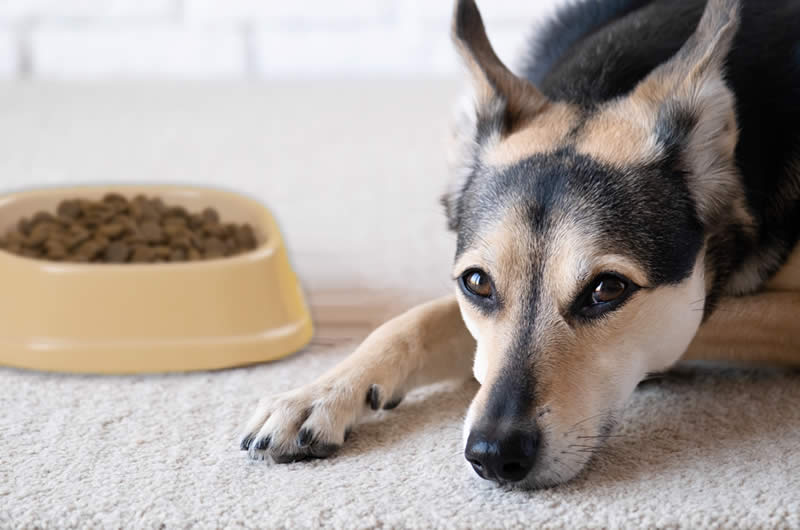
Losing interest in their food bowl – especially if a pet has previously been an enthusiastic eater – is a major red flag. It doesn’t have to be a total hunger strike. It might look like “pickiness” – dropping food while eating (a sign of dental pain) or a pet that approches their bowl eagerly but then hesitates. In welfare cases, we often find that “fussy eaters” actually have significant oral infections or nausea.
2. Mobility and Posture Changes
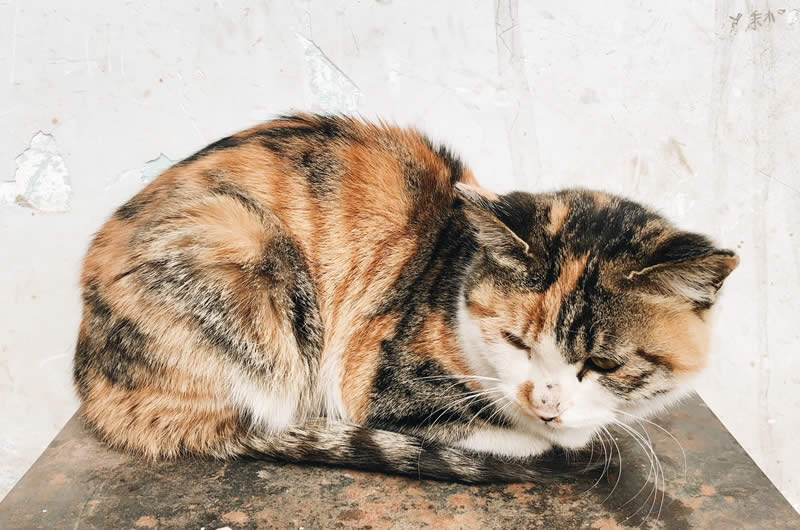
Watch how your pet moves when they think you aren’t looking.The “Bunny Hop”: if a dog uses both back legs together to go upstairs, they may be suffering from hip or knee pain.The “Meatloaf” Position: a cat sitting hunched up with its paws tucked tightly and head lowered is often trying to take pressure off a painful belly.Stiffness: if your pet takes a while to get moving again after a nap, it is almost certainly a sign of arthritis rather than just “slowing down.”
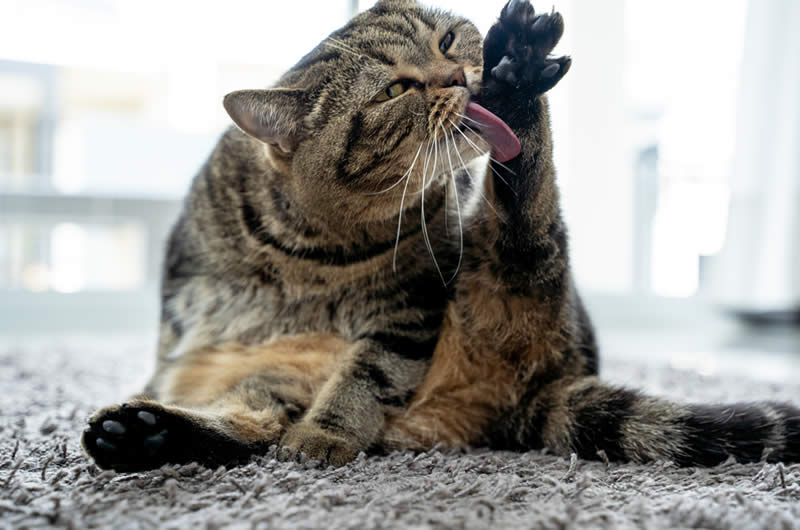
3. Grooming Habits Animals communicate through their coats. A cat that stops grooming and develops matted fur along its back may be finding it too painful to twist and reach those areas. Conversely, a dog that obsessively licks a single paw or joint may be “worrying” at a source of internal inflammation or nerve pain.
4. Eye and Facial Expressions
Vets often look for the “Grimace Scale.” Flattened ears, squinted eyes, or a furrowed brow can indicate distress. If your pet’s eyes look glassy, or they seem to stare blankly into space, they may be dealing with systemic pain or neurological discomfort.
Early intervention is kindness
If you notice these subtle shifts, don’t wait for the symptoms to worsen. Because welfare organisations see the results of neglected chronic pain every day, we advocate for “preventative observation.”
Trust your gut. You know your pet’s personality better than anyone. If their “silent language” feels different today than it did last month, a veterinary check-up is the kindest way to ensure their silence isn’t actually a plea for help.
Catching pain early doesn’t just add years to their life; it adds life to their years.
 Dr Gilson Muchopa has been in practise for 22 years – the past 12 of which he has served as Controlling Veterinarian at the Durban & Coast SPCA.
Watch this space for more tips from Dr G. If you have specific questions for our vet, please email marketing@spcadbn.org.za
share this on social media


STAY INFORMED
Sign up here for the latest animal ‘mews’ – delivered straight to your mailbox!
YOU MAY ALSO ENJOY
Why is my dog vomiting? Dr Gilson explains when to worry and when to see a vet
Why is my dog vomiting? Dr Gilson explains when to worry and when to see a vet As a veterinarian, vomiting is one of the most common reasons I see dogs brought into the clinic. Sometimes it's something relatively minor that resolves on its own. But at other times, it...
Has your dog or cat eaten cannabis? Here’s what Dr Gilson wants you to know
Has Your Dog or Cat Eaten Cannabis? Here’s What Dr Gilson Wants You to Know As a veterinarian, I’ve treated more cases of cannabis ingestion in pets than many people realise – especially since its legalisation in South Africa. What makes these cases particularly...
Snakes in the city – why you shouldn’t kill them, and how to keep your pets safe
Snakes in the city – why you shouldn’t kill them, and how to keep your pets safe Summer time is snake time in Durban. Rain and warm weather – along with a plentiful supply of skinks, geckos and frogs – bring snakes out of their hiding places to bask in the sun and...
Why your application to adopt an animal from us might be turned down – and why it’s okay
Why your application to adopt an animal from us might be turned down – and why it’s okay At the Durban & Coast SPCA, we believe every animal deserves a second chance – a chance at a safe, loving, and permanent home. So, it’s no surprise that many people assume...

Monkeys matter – how to co-exist peacefully with our wildlife
Monkeys matter - how to co-exist peacefully with our wildlife In Durban and surrounding areas, vervet monkeys are a familiar sight. While some residents enjoy watching their antics, others see them as a nuisance – especially when they invade homes, raid...
Surrendering a pet to the SPCA: what you need to know
Surrendering a pet to the SPCA: what you need to know Surrendering a pet is never an easy decision. At the Durban & Coast SPCA, we understand that circumstances can change, making it difficult for some pet owners to continue caring for their animals....

Pet euthanasia at the SPCA – the difficult choice
Pet euthanasia at the SPCA - the difficult choice Euthanasia is one of the most heartbreaking but necessary responsibilities of the Durban & Coast SPCA. No one wants to put a healthy animal to sleep. But the pet overpopulation, coupled with a shortage of...
Pet-friendly holidays in Durban: where to stay, play and dine with your furry friend
Pet-friendly holidays in Durban: where to stay, play and dine with your furry friend Durban, with its warm climate and scenic coastline, is a fantastic destination for petlovers. If you’re planning a summer holiday at the beach, you’ll find plenty of placesthat...
Hardy, healthy cross-breeds rule!
Hardy, healthy cross-breeds rule! Cross-breeds … mongrels … mutts – dogs with mixed parentage are universally seen as far less desirable and valued than purebred dogs. And yet, they can be just as loveable, friendly and loyal, with none of the health issues...
Why does the SPCA charge an adoption fee?
Why does the SPCA charge an adoption fee? Adopting a pet from an animal shelter is one of the most rewarding decisions you can make. Apart from acquiring a new furry friend, you have the satisfaction of knowing you’ve saved their life and given them a second...