

Heartbreak of a missing pet – what to do
It’s the stuff of nightmares for a pet owner … coming home to find a gate or window has been left open and your furry friend is nowhere to be seen. They don’t come when you call them, and they’re not hiding in any of their favourite places.
Hopefully your missing pet will turn up before panic sets in. But if not, you need to act quickly. The more time a pet is out roaming the streets, the more likely they’ll be run over or even stolen. Check if any of your neighbours have seen your dog or cat. Then organise a search party of nearby streets, parks or other places your pet might be drawn to.
Use social media to effectively widen the search. Post a clear photo of your pet on your social platforms and WhatsApp neighbourhood groups. You may even have a local community group that focuses on finding missing pets.
Contact the SPCA
Contact your local SPCA and other animal shelters, as well as veterinary clinics – anywhere a Good Samaritan who finds your precious dog or cat might take them if they are lost or injured.
To report a missing pet at the Durban & Coast SPCA, call 031 579 6525/6 or email a photo and details to lostandfound@spcadbn.org.za. Do remember that it can be difficult to identify a particular animal from a description over the phone, especially if your pet is one of the more common types. It is important to visit the SPCA in person to check if your pet has been handed in.
Prevention is better than cure
Avoid the heartache of a missing pet by taking precautions to safeguard your animals. Ensuring your pet’s safety starts with a secure environment. If you have a yard, make sure it’s properly fenced and gates are secured. Sterilised pets are less likely to wander, which is another good reason to spay or neuter your animals.
Having your pets microchipped greatly increases your chances of being reunited with them if they go missing. Many people think that they do not need to microchip their dogs and cats if the animals wear a collar tag. But tags can be removed or lost. If an animal is stolen, the first thing a thief will do is remove the collar tag.
What is microchipping?
Microchipping your pet is a simple and safe procedure usually done by a veterinarian. Using a hypodermic needle, the vet injects the device – which is about the size of a grain of rice – under the skin of your pet’s neck.
After the microchip is implanted, the vet or clinic staff will help you register its unique identification number, along with your contact information, in a national pet recovery database. If you move or change your contact details, remember to update your details. Keeping your information current will ensure that you can be easily reached if your pet is found.
Recently a cat that went missing from Durban North turned up at the Springs SPCA in Gauteng! The only reason it was reunited with its owners was because it had a microchip.
You can get your pet microchipped for as little as R220 at our SPCA. Call us on 031 579 6547 to make a booking. If you adopted a dog or cat from our SPCA, it will have automatically been microchipped before being allowed to go home with you.
What to do if you find a stray animal
While it’s human nature to want to rescue, calm and care for a lost or frightened animal, be cautious about approaching an unknown dog or cat. You could be bitten or scratched, or exposed to a potentially fatal disease.
Rather call your nearest SPCA to collect the animal. Provide as much detail as possible Where is the animal? What does it look like? Is it behaving strangely? Our inspectors are trained and have the necessary equipment to handle the situation. You can also assist by asking around the neighbourhood in which the animal was found to see if anyone is missing their pet.
Why you should not keep a stray pet
There are many cases where people who find a dog or cat decide to keep it. Or they pass it on to someone else who’s willing to look after it. This could result in the owner never being re-united with their beloved pet! Imagine how you would feel if it was your dog or cat that simply disappeared, and you never found out what happened to it.
Animal hoarders are always on the look out for stray animals they can offer to take in. Passing a stray on to a seemingly kind and compassionate ‘animal lover’ may result in the dog or cat spending the rest of its life in appalling conditions.
Apart from that, it’s against the law to keep, re-home or foster an animal belonging to someone else.
What happens when a stray is brought to our SPCA?
First the animal will be documented. Then they are taken to our clinic, where they’re given a health check and scanned for a microchip. If the animal is microchipped, we immediately notify the owner that we have their missing pet and will keep it safe until they’re able to collect it.
If there’s no microchip or identity tag, we check for a match against any ‘lost’ reports that have come in. After having exhausted all efforts to trace the owner, the SPCA will provide the animal with care and shelter for 7 days – unless it is severely injured or unhealthy, in which case it will be humanely euthanased to prevent further suffering.
7-day ‘pound’ period
Once the 7-day pound period has passed, the animal becomes the property of the SPCA. If it’s healthy and sociable, we’ll do our best to find it a suitable new home. So, if you’ve lost a pet, don’t wait a couple of weeks before checking if it’s at our SPCA. After 7 days, you no longer own the animal and have no legal claim to it.
Taking the necessary precautions and acting swiftly can make all the difference when it comes to finding a pet that’s gone missing. If your beloved dog or cat is part of the family, you’ll want to make sure that they remain safely at your side.
share this on social media


STAY INFORMED
Sign up here for the latest animal ‘mews’ – delivered straight to your mailbox!
YOU MAY ALSO ENJOY

Dog bites – prevention and treatment
Dog bites - prevention and treatment Dog bites are the most common animal bites treated in emergency rooms across the country. Young children are the most common victims, because they are at a similar eye level to a dog. They may also inadvertently provoke...
Charitable giving is good for your soul – and your wallet, thanks to Section 18A
Charitable giving is good for your soul – and your wallet, thanks to Section 18A Did you know that when you make a donation to a registered charity like the Durban & Coast SPCA, you receive a Section 18A Certificate – which you can submit with your tax...
No hot dogs, please
No hot dogs, please Every summer there are cases of dogs dying after being left locked in a car for ‘just a minute’ while their owners pop into a store or run an errand. This is a tragedy that should never occur. Durban summers can be brutal but even when the...

Holiday hazards for mischievous pets
Holiday hazards for mischievous pets As the festive season approaches, our hearts are filled with joy and anticipation. It's a time for celebrations, friends and family – including the four-legged family members. But, amid all the holiday cheer, it's crucial to...

Fireworks Season – no fun for animals
Fireworks Season – no fun for animals While firework displays look beautiful and exciting to humans, most animals – both domestic and wild – can feel like they’re in a war zone. It’s not only the noise, although that is frightening enough to animals with...
What to do if you find a stranded marine animal
What to do if you find a stranded marine animal Firstly, here’s what not to do. Do not attempt to pick up the stranded marine animal and put it back in the sea. Seals, in particular, will leave the water if they need to rest. Chasing one back into the sea is...
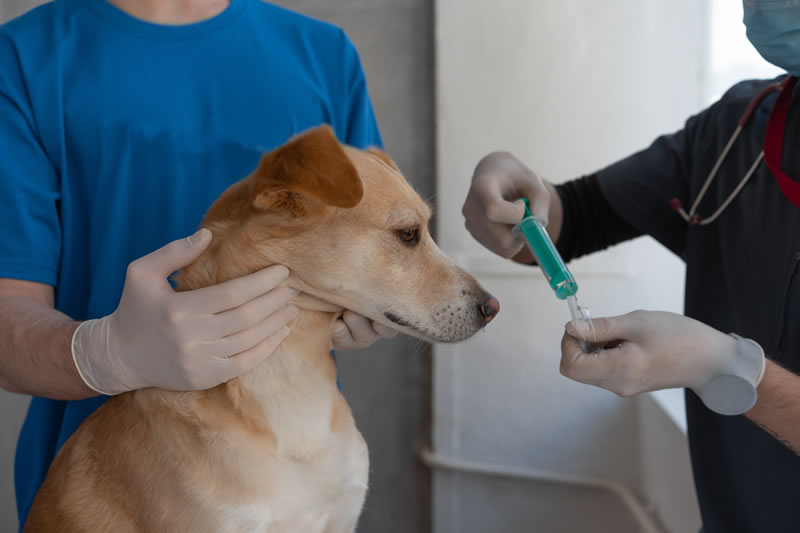
Rabies outbreak – a wake-up call for pet owners and communities
Rabies outbreak – a wake-up call for pet owners and communities Over the past two years, South Africa has experienced a worrying increase in dog rabies cases. Previously, the worst affected areas were the Eastern Cape and KZN. But last year, the rabies outbreak...

How to teach children compassion for animals
How to teach children compassion for animals Empathy – the ability to understand and share the feelings of those around us – is one of the most complex emotions. While most children have a natural empathy towards other living beings, some need to be taught...