

Vaccination schedule for puppies and kittens
Vaccinations are crucial to protect pets against serious diseases, some of which can be transferred to humans. And when it comes to vaccinating your pets against these diseases, it’s a case of the sooner the better!
Puppies and kittens should have their first inoculations at 6 weeks, followed by booster shots to ensure full protection. Thereafter, you should take your pet to the vet at least once a year for re-vaccination and a thorough health check.
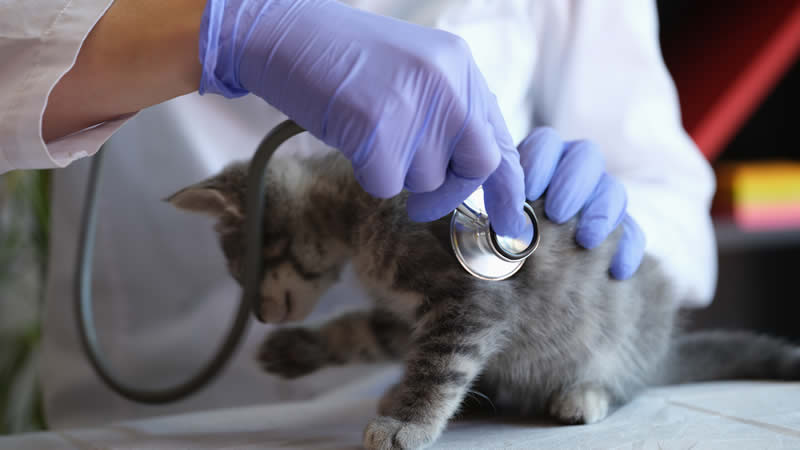
During the examination your pet will be weighed and physically examined to make sure all is well. Your vet will take their temperature, check their heart and lungs, coat, teeth, gums, eyes and ears – after which they’ll be given booster vaccinations as required.
Vaccinations for dogs
| Vaccination | Timing |
|---|---|
| 5-in-1 | 3-4 doses, 3 weeks apart from 6 weeks of age (6 weeks, 9 weeks, 12 weeks) (16 weeks – MDA 10%) |
| Leptospirosis | 2 doses, 3 weeks apart, from 8 weeks (9 weeks, 12 weeks) |
| Rabies | 2 doses, not less than 30 days later and no longer than 12 months of age (12 weeks, 30 days later) |
Vaccinations for cats
| Vaccination | Timing |
|---|---|
| 3-in-1 | 3 doses, 3-4 weeks apart, from 8 weeks (8 weeks, 12 weeks, 16 weeks) |
| Feline Leukaemia Virus | 2 doses, 3-4 weeks apart from 8 weeks (8 weeks, 12 weeks) |
| Rabies | 2 doses, not less than 30 days later, and no longer than 12 months of age (12 weeks, 30 days later) |

Why is sticking to a vaccination schedule so important?
Just like humans, dogs and cats are vulnerable to a number of serious and fatal diseases. Here are some of the most serious diseases:
Rabies
Rabies is a viral disease that attacks the central nervous system, leading to progressive and fatal inflammation of the brain. Once symptoms appear, the disease is incurable in both animals and humans. Rabies is spread through the saliva of infected animals, usually through bites or open wounds.
Symptoms include change in behaviour (aggressive animals may become passive and vice versa), excessive saliva (caused by the animal’s inability to swallow) and, in the end, difficulty in walking, disorientation, seizures and paralysis.
Owing to the seriousness of the disease, owners who fail to inoculate their pets may be liable to prosecution by the State. If you cannot afford to take your pet to a private vet, please call your nearest SPCA or make use of mobile state vet services.
Canine Distemper
Highly contagious among dogs – but not cats or humans – this virus spreads through mucus discharged from the eyes and nostrils. It’s an extremely serious disease and difficult to treat. So if your dog gets it, he or she will probably die. Even if they survive, there may be permanent damage to the central nervous system.
Symptoms include loss of appetite, vomiting, diarrhoea and difficulty in breathing. In the final stages, the dog may have seizures and paralysis.

Parvovirus
Parvovirus can be deadly, especially to puppies and young dogs that have not been vaccinated. The virus is highly contagious and is spread by contact with infected faeces or virus-contaminated surfaces. It can live on your dog’s paws or fur, and even on your own hands and clothing. From there, it can be transferred to surfaces in your home or garden, where it can survive for months – even years.
Symptoms include lethargy, loss of appetite, vomiting and severe, bloody diarrhoea. If left untreated, the dog is likely to die. If you suspect parvo, take your dog to the vet as soon as possible.
Infected pups should be isolated from healthy pups. All contaminated bedding, and surfaces need to be sanitised with bleach or a specialised veterinary cleaner to prevent re-infection.
Feline panleukopaenia virus (FPV), is a member of the same family as canine parvovirus. It affects kittens, typically charaterised by depression, loss of appetite, high fever, vomiting, diarrhoea and consequently severe dehydration.
Prevention is vital and highly effective vaccines are available to help protect cats against this virus.

Kennel Cough (Parainfluenza Virus)
A variety of highly contagious viruses and bacteria are involved in canine cough. It is often found when dogs are in close proximity to each other, hence the popular name, ‘kennel cough’.
Although not usually fatal, the virus can lead to serious conditions such as broncho-pneumonia in puppies and bronchitis in older dogs. It is spread through aerosol droplets and contact with infected surfaces. Symptoms include sneezing, a runny nose, loss of appetite and a loud, dry cough.
Feline Viral Rhinotracheitis or Snuffles
This serious upper respiratory infection is contagious and often fatal. Even if your cat recovers, he or she will remain a carrier for life. Snuffles symptoms include discharge from the nose and eyes, sneezing and fever.
Feline Calicivirus
Vaccination for this disease is crucial. It is similar to snuffles in that it affects the upper respiratory tract. There are a number of different strains of the disease. Some cause visible symptoms while others don’t. All strains are spread through bodily fluids and are extremely contagious.
Symptoms can range from mild to serious, and may include, fever, pneumonia, tongue blisters and ulcers. Treatment is difficult and even if your cat recovers, they may be left with chronic sneezing, gum disease and runny eyes. They will also be at risk of infecting other cats.

Feline Leukaemia or FeLV
Feline leukemia is a common disease that spreads easily among cats. It destroys your pet’s white blood cells, leading to a compromised immune system and making your cat susceptible to other infections, cancer and death.
Your cat may carry and transmit this virus for months or even years before showing any signs or symptoms. Symptoms include pale or inflamed gums, weight loss, poor coat condition, diarrhoea and chronic skin, eye, respiratory or urinary tract infections.
Unvaccinated cats are extremely vulnerable to contracting this disease, so kittens should be vaccinated as early as possible.
Deworming
Along with keeping your pet’s vaccinations up to date, don’t forget regular deworming. Kittens and puppies under 3 months are treated every 2 weeks. then every month from 3-6 months of age and thereafter every 3 months.
Don’t forget to protect your pets against parasites like ticks and fleas as well. Carefully read instructions to make sure the treatment is suitable for the type of pet and its age.
share this on social media


STAY INFORMED
Sign up here for the latest animal ‘mews’ – delivered straight to your mailbox!
YOU MAY ALSO ENJOY

Charitable giving is good for your soul – and your wallet, thanks to Section 18A
Charitable giving is good for your soul – and your wallet, thanks to Section 18A Did you know that when you make a donation to a registered charity like the Durban & Coast SPCA, you receive a Section 18A Certificate – which you can submit with your tax...

No hot dogs, please
No hot dogs, please Every summer there are cases of dogs dying after being left locked in a car for ‘just a minute’ while their owners pop into a store or run an errand. This is a tragedy that should never occur. Durban summers can be brutal but even when the...

Holiday hazards for mischievous pets
Holiday hazards for mischievous pets As the festive season approaches, our hearts are filled with joy and anticipation. It's a time for celebrations, friends and family – including the four-legged family members. But, amid all the holiday cheer, it's crucial to...

Fireworks Season – no fun for animals
Fireworks Season – no fun for animals While firework displays look beautiful and exciting to humans, most animals – both domestic and wild – can feel like they’re in a war zone. It’s not only the noise, although that is frightening enough to animals with...
What to do if you find a stranded marine animal
What to do if you find a stranded marine animal Firstly, here’s what not to do. Do not attempt to pick up the stranded marine animal and put it back in the sea. Seals, in particular, will leave the water if they need to rest. Chasing one back into the sea is...

Heartbreak of a missing pet – what to do
Heartbreak of a missing pet - what to do It’s the stuff of nightmares for a pet owner … coming home to find a gate or window has been left open and your furry friend is nowhere to be seen. They don’t come when you call them, and they’re not hiding in any of their...
Rabies outbreak – a wake-up call for pet owners and communities
Rabies outbreak – a wake-up call for pet owners and communities Over the past two years, South Africa has experienced a worrying increase in dog rabies cases. Previously, the worst affected areas were the Eastern Cape and KZN. But last year, the rabies outbreak...

How to teach children compassion for animals
How to teach children compassion for animals Empathy – the ability to understand and share the feelings of those around us – is one of the most complex emotions. While most children have a natural empathy towards other living beings, some need to be taught...