

Snakes in the city – why you shouldn’t kill them, and how to keep your pets safe
Summer time is snake time in Durban. Rain and warm weather – along with a plentiful supply of skinks, geckos and frogs – bring snakes out of their hiding places to bask in the sun and hunt for prey.
Unfortunately, this often brings them into contact with humans who believe that the only good snake is a dead snake. Through fear and ignorance many people attack snakes – beating them to death, slashing them open with garden tools or pangas, or stoning them to death.
At the SPCA, we believe compassion should extend to all living creatures. Killing snakes like this is nothing short of cruelty. Snakes deserve the same respect and humane treatment as any other animal, bird or reptile.
Why you shouldn’t kill a snake
Snakes are an important part of our ecosystem, helping to control rodents, frogs and lizards. When we act out of fear and try to kill them, we’re not only being cruel – we’re also harming the environment.
Contrary to popular belief, most snakes in KwaZulu-Natal are non-venomous and will avoid humans whenever possible. Stories of black mambas and other venomous snakes chasing after people to attack them are wildly inaccurate. In fact, the reverse is true; the majority of bites are the result of human aggression – when people try to catch, corner or kill a snake. You can’t blame the snake for trying to protect itself!
What to do if you see a snake
In most cases, the snake will move away quickly of its own accord. However, if it is in an enclosed space, such as a room in your home or the garden shed, you might not be comfortable leaving it there. Do not try to kill or catch it yourself. Instead, contact an experienced snake catcher who will come and remove it for you.
When calling for help, provide a clear description of the snake – size, colour, etc. Keep watch over the place where you last saw it, to make sure it doesn’t move away before help arrives.

What if your dog or cat finds the snake first?
For many pet owners, snakes raise another concern – how to keep dogs and cats safe. Snake expert Nick Evans warns that dogs are far more likely to be injured or killed when they attack snakes than the other way around. He’s seen too many cases where dogs have been bitten while chasing a moving snake, or trying to defend their territory or protect their owners.
If there’s a snake around, immediately secure your pets indoors or in a safe area until the snake has been removed. Training your dog to obey a strong recall command can prevent tragic encounters. If your dog refuses to come away when called, throw or spray cold water on it to discourage it from going after the snake.
Keeping your yard clear can also make a big difference. Make sure grass is cut, clear away clutter, and avoid leaving pet food outside which could attract rodents and, consequently, snakes. Ensure that gaps under decks and walls are closed off to limit potential hiding places.
 Photo permission: Nick Evans
What to do if you think your dog or cat has been bitten by a snake
Be aware of symptoms such as pain and swelling of a limb or lip. Depending on the type of snake, your pet may vomit, become lethargic or have difficulty breathing. Bleeding from the gums and nose may indicate a Boomslang bite.
Try to keep the bitten area as still as possible to prevent the rapid spread of venom. If the dog has been spat at, rinse the eyes out with flowing water from a hose, bottle or glass of water.
Stay calm and get your pet to the vet as quickly as possible. If you saw the snake, describe it to your vet. This could save your pet’s life if anti-venom is needed.
Cruelty is cruelty – regardless of the species
At the Durban & Coast SPCA, we condemn all forms of animal cruelty – whether it’s a dog neglected, a cat abandoned, or a snake stoned to death. Every animal, regardless of its species, deserves to be treated humanely. We urge the public to report any acts of cruelty immediately, including those against wildlife.
Education is key, and by sharing what we know about snakes, we can help prevent unnecessary suffering.
The next time you come across a snake, take a moment to pause and remember that it’s not out to harm you. Respect it, give it space, and call someone trained to help.
Compassion doesn’t stop with the animals we love – it extends to those we fear, too.

share this on social media


STAY INFORMED
Sign up here for the latest animal ‘mews’ – delivered straight to your mailbox!
YOU MAY ALSO ENJOY
Why your application to adopt an animal from us might be turned down – and why it’s okay
Why your application to adopt an animal from us might be turned down – and why it’s okay At the Durban & Coast SPCA, we believe every animal deserves a second chance – a chance at a safe, loving, and permanent home. So, it’s no surprise that many people assume...

Monkeys matter – how to co-exist peacefully with our wildlife
Monkeys matter - how to co-exist peacefully with our wildlife In Durban and surrounding areas, vervet monkeys are a familiar sight. While some residents enjoy watching their antics, others see them as a nuisance – especially when they invade homes, raid...
Surrendering a pet to the SPCA: what you need to know
Surrendering a pet to the SPCA: what you need to know Surrendering a pet is never an easy decision. At the Durban & Coast SPCA, we understand that circumstances can change, making it difficult for some pet owners to continue caring for their animals....

Pet euthanasia at the SPCA – the difficult choice
Pet euthanasia at the SPCA - the difficult choice Euthanasia is one of the most heartbreaking but necessary responsibilities of the Durban & Coast SPCA. No one wants to put a healthy animal to sleep. But the pet overpopulation, coupled with a shortage of...
Pet-friendly holidays in Durban: where to stay, play and dine with your furry friend
Pet-friendly holidays in Durban: where to stay, play and dine with your furry friend Durban, with its warm climate and scenic coastline, is a fantastic destination for petlovers. If you’re planning a summer holiday at the beach, you’ll find plenty of placesthat...
Hardy, healthy cross-breeds rule!
Hardy, healthy cross-breeds rule! Cross-breeds … mongrels … mutts – dogs with mixed parentage are universally seen as far less desirable and valued than purebred dogs. And yet, they can be just as loveable, friendly and loyal, with none of the health issues...
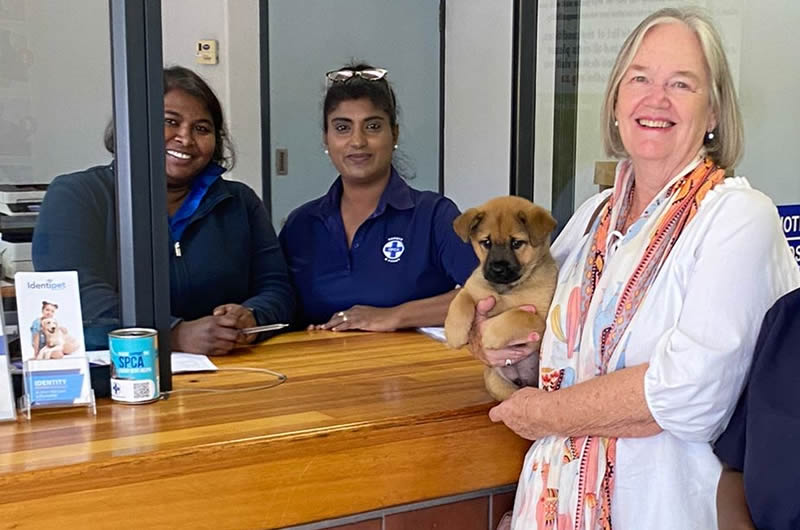
Why does the SPCA charge an adoption fee?
Why does the SPCA charge an adoption fee? Adopting a pet from an animal shelter is one of the most rewarding decisions you can make. Apart from acquiring a new furry friend, you have the satisfaction of knowing you’ve saved their life and given them a second...
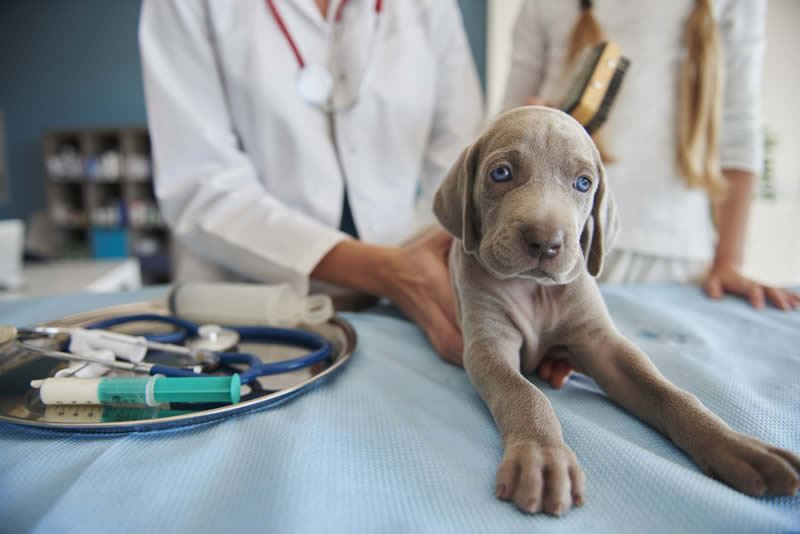
Vaccination schedule for puppies and kittens
Vaccination schedule for puppies and kittens Vaccinations are crucial to protect pets against serious diseases, some of which can be transferred to humans. And when it comes to vaccinating your pets against these diseases, it’s a case of the sooner the better!...
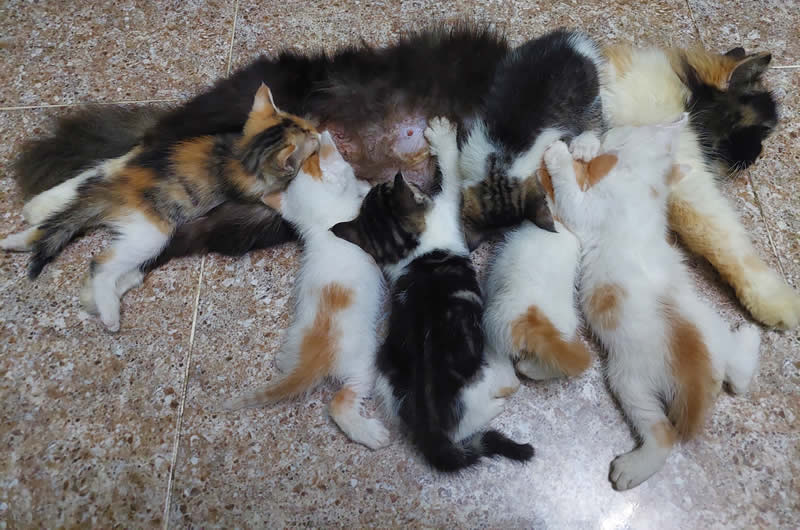
5 compelling reasons to have your pets sterilised
5 compelling reasons to have your pets sterilised If you are in any doubt about the need to sterilise your cat or dog, please visit one of the SPCAs or animal shelters across the country. You’ll come face to face with the heart-breaking reality: there are too...

Dog bites – prevention and treatment
Dog bites - prevention and treatment Dog bites are the most common animal bites treated in emergency rooms across the country. Young children are the most common victims, because they are at a similar eye level to a dog. They may also inadvertently provoke...