

Pet euthanasia at the SPCA – the difficult choice
Euthanasia is one of the most heartbreaking but necessary responsibilities of the Durban & Coast SPCA.
No one wants to put a healthy animal to sleep. But the pet overpopulation, coupled with a shortage of good homes, creates a crisis that no shelter – no matter how big or well-funded – can manage indefinitely.
The reality of pet overpopulation
Every year, thousands of unwanted pets find their way to the SPCA. Some are unwanted, abandoned by owners who can no longer care for them, whether it be due to financial difficulties, behavioural issues or changing circumstances. Others are strays that are lost and picked up by our inspectorate, or a member of public brings them in. The numbers are staggering … well over a thousand dogs and cats are admitted to our SPCA every month.
Nationwide there are an estimated 4 million homeless dogs and cats.
There are simply not enough cages, kennels, or responsible adopters for all the unwanted animals. Even if room could be found for them all, keeping animals caged for life is not a solution. It is cruelty in a different form.

What about ‘no-kill’ private rescuers or fosters?
Misinformed people, who don’t understand the reality of the situation, passionately endorse those with a ‘no-kill’ policy. But when these rescuers reach capacity – as they inevitably do – one of two things happens.
Homeless animals are turned away. Desperate owners, seeking a safe refuge for a pet they can no longer keep are told, “Sorry, we’re full”. Or put on a waiting list until a place becomes available. In the meantime, unwanted animals are left to an uncertain fate. They may be abandoned and left to fend for themselves, at risk of starvation and disease.
More and more animals are admitted, leading to overcrowding and horrific suffering. With increasing numbers, the ability to provide veterinary care, nutrition and hygiene is compromised. Long-term incarceration can lead to animals becoming withdrawn, depressed and/or aggressive due to lack of freedom and human interaction. Sick and suffering animals are not put out of their misery. They are left to endure the most miserable existence.
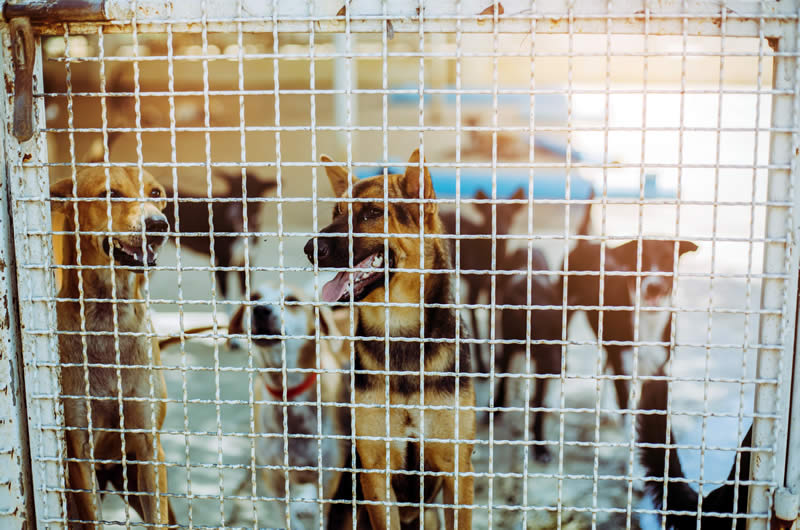
This is unacceptable to the SPCA movement, as it should be to all who care for animals. Compassion alone is not enough; we also need the courage to do the right thing, no matter how unpopular or personally hurtful we find it.
We are not alone in this view. People for Ethical Treatment of Animals (PETA), the world’s largest and most influential animal rights organisation, holds a similar view.
When is euthanasia considered?
Euthanasia is not a decision made lightly. The SPCA follows strict ethical guidelines to ensure that animals are only euthanised when absolutely necessary, for example when they are:
- Severely ill or injured: If an animal is suffering from an untreatable condition that causes extreme pain or distress, euthanasia is the kindest option. Or if they are harbouring a disease which could infect and be fatal to other animals in our care.
- Aggressive or dangerous: Some animals, often due to past abuse or neglect, exhibit behaviours that make them a risk to humans and other animals. If rehabilitation is not possible, euthanasia may be the only humane option.
- Unadoptable: When an animal has been waiting for a home for an extended period, has been passed over repeatedly, and is deteriorating mentally and physically due to prolonged confinement, euthanasia may be considered to prevent prolonged suffering.
A humane end vs. a life of suffering
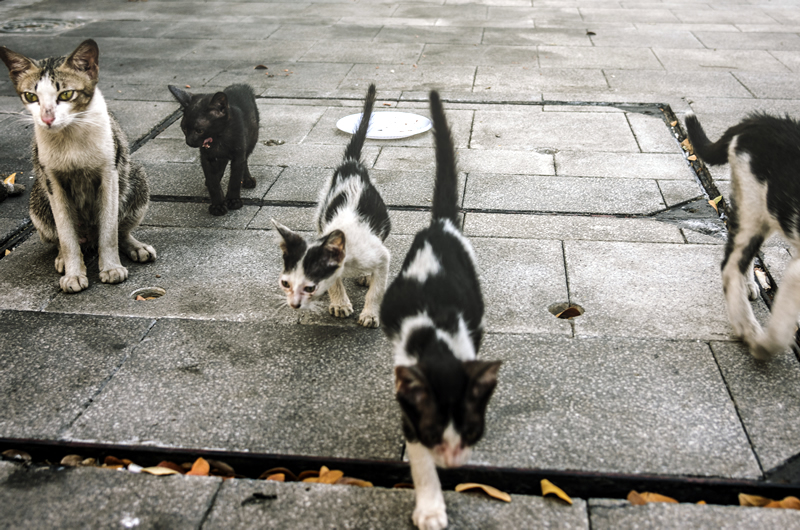
We understand that the thought of euthanasia is painful. But consider the alternative. An unwanted animal released onto the streets faces hunger, disease, injury, and abuse. Packs of stray dogs become a danger to communities. Feral cats produce more and more offspring, leading to ongoing suffering.
Euthanasia, while heartbreaking, is sometimes the kindest choice. It ensures that an animal is spared a life of misery, neglect, and suffering.
What you can do to help
The solution to this heartbreaking problem lies not in judgment or criticism, but in action. Here’s how you can make a difference:
- Spay and neuter your pets to prevent unwanted litters.
- Adopt, don’t shop. Give a shelter animal a second chance at life.
- Educate others about responsible pet ownership.
- Support the SPCA through donations or volunteering.
No one at the SPCA takes euthanasia lightly. The veterinarians and staff who perform this difficult task do so with heavy hearts, driven by compassion and a desire to prevent further suffering.
We all share the same goal: a world where every animal has a loving home. Until that day comes, the SPCA will continue to fight for the welfare of every animal, making the hard choices when necessary and working tirelessly to find lasting solutions.
If you want to be part of the solution, consider supporting the SPCA in any way you can. Together, we can reduce the number of unwanted animals and create a future where euthanasia is no longer necessary.
share this on social media


STAY INFORMED
Sign up here for the latest animal ‘mews’ – delivered straight to your mailbox!
YOU MAY ALSO ENJOY
Snakes in the city – why you shouldn’t kill them, and how to keep your pets safe
Snakes in the city – why you shouldn’t kill them, and how to keep your pets safe Summer time is snake time in Durban. Rain and warm weather – along with a plentiful supply of skinks, geckos and frogs – bring snakes out of their hiding places to bask in the sun and...
Why your application to adopt an animal from us might be turned down – and why it’s okay
Why your application to adopt an animal from us might be turned down – and why it’s okay At the Durban & Coast SPCA, we believe every animal deserves a second chance – a chance at a safe, loving, and permanent home. So, it’s no surprise that many people assume...

Monkeys matter – how to co-exist peacefully with our wildlife
Monkeys matter - how to co-exist peacefully with our wildlife In Durban and surrounding areas, vervet monkeys are a familiar sight. While some residents enjoy watching their antics, others see them as a nuisance – especially when they invade homes, raid...
Surrendering a pet to the SPCA: what you need to know
Surrendering a pet to the SPCA: what you need to know Surrendering a pet is never an easy decision. At the Durban & Coast SPCA, we understand that circumstances can change, making it difficult for some pet owners to continue caring for their animals....
Pet-friendly holidays in Durban: where to stay, play and dine with your furry friend
Pet-friendly holidays in Durban: where to stay, play and dine with your furry friend Durban, with its warm climate and scenic coastline, is a fantastic destination for petlovers. If you’re planning a summer holiday at the beach, you’ll find plenty of placesthat...
Hardy, healthy cross-breeds rule!
Hardy, healthy cross-breeds rule! Cross-breeds … mongrels … mutts – dogs with mixed parentage are universally seen as far less desirable and valued than purebred dogs. And yet, they can be just as loveable, friendly and loyal, with none of the health issues...
Why does the SPCA charge an adoption fee?
Why does the SPCA charge an adoption fee? Adopting a pet from an animal shelter is one of the most rewarding decisions you can make. Apart from acquiring a new furry friend, you have the satisfaction of knowing you’ve saved their life and given them a second...
Vaccination schedule for puppies and kittens
Vaccination schedule for puppies and kittens Vaccinations are crucial to protect pets against serious diseases, some of which can be transferred to humans. And when it comes to vaccinating your pets against these diseases, it’s a case of the sooner the better!...
5 compelling reasons to have your pets sterilised
5 compelling reasons to have your pets sterilised If you are in any doubt about the need to sterilise your cat or dog, please visit one of the SPCAs or animal shelters across the country. You’ll come face to face with the heart-breaking reality: there are too...

Dog bites – prevention and treatment
Dog bites - prevention and treatment Dog bites are the most common animal bites treated in emergency rooms across the country. Young children are the most common victims, because they are at a similar eye level to a dog. They may also inadvertently provoke...