Why does the SPCA charge an adoption fee?
Adopting a pet from an animal shelter is one of the most rewarding decisions you can make. Apart from acquiring a new furry friend, you have the satisfaction of knowing you’ve saved their life and given them a second chance of a happy home.
Many people feel that offering to take on the responsibility of giving an unwanted animal a home, shelter and food should be enough. So it can come as quite a shock to discover that there’s a fee involved.
What you get for your money
Although we call it an ‘adoption’ fee it’s not, as you might think, a case of ‘selling’ animals to raise money for the SPCA. It’s actually the heavily subsided cost of ensuring that your new pet goes home with you in the best possible condition. The adoption fee covers the cost of:
- A full veterinary check-up to make sure your new pet is fit and healthy.
- All the necessary vaccinations to prevent deadly disease.
- Deworming and flea treatment to make sure they’re free from parasites that would otherwise end up in your home or garden.
- Sterilisation to prevent unwanted litters. This applies to both male and female animals, ensuring that your pet can neither produce a litter nor father one.
- Microchipping – a permanent, non-invasive form of identification that can help reunite you with your pet should they get lost or stolen.
- An ID disc and collar which provides immediate, visible identification.
- Good nutrition – your new pet will be handed over to you in peak physical condition, having enjoyed plenty of nourishing food in the weeks and months leading up to their adoption.
- In certain cases, your pet’s behaviour will have been assessed, and any potential problems pointed out to you so you know what to expect and how to deal with it.

How does the adoption fee measure up against the cost of private vet fees?
The SPCA adoption fee is only a fraction of what you’d pay for the same services at a private vet. Vaccinations alone cost more than our fee. And that’s without counting the time and trouble of taking the animal to the vet yourself. Especially if you need to arrange transport.
On top of that, there’s the cost of having the animal spayed or neutered. Please read “5 compelling reasons to have your pets sterilised” to understand why it’s so important not to neglect this responsibility.
All in all, adopting a pet from the SPCA is a really affordable option. And when you think that your new pet will repay you with years of companionship and laughter, it’s well worth the initial investment.
No government funding
Contrary to what some people think, the SPCA is not a government-funded organisation. We don’t get free veterinary supplies or food to help us care for the thousands of stray and unwanted animals that are admitted to our facilities every month. Everything we need to provide loving care and shelter for the animals has to be paid for. And we rely heavily on donations from animal lovers to make our work possible.
Rather than begrudging a very fair charge – when you adopt a new pet from the SPCA, please consider bringing along a donation of pet food. Or make a financial contribution to help provide for all the other furry orphans still waiting for their forever homes.
If you have further questions or comments, please contact our Adoptions Team on 031 579 6500.
share this on social media


STAY INFORMED
Sign up here for the latest animal ‘mews’ – delivered straight to your mailbox!
YOU MAY ALSO ENJOY
Why is my dog vomiting? Dr Gilson explains when to worry and when to see a vet
Why is my dog vomiting? Dr Gilson explains when to worry and when to see a vet As a veterinarian, vomiting is one of the most common reasons I see dogs brought into the clinic. Sometimes it's something relatively minor that resolves on its own. But at other times, it...
Has your dog or cat eaten cannabis? Here’s what Dr Gilson wants you to know
Has Your Dog or Cat Eaten Cannabis? Here’s What Dr Gilson Wants You to Know As a veterinarian, I’ve treated more cases of cannabis ingestion in pets than many people realise – especially since its legalisation in South Africa. What makes these cases particularly...
Snakes in the city – why you shouldn’t kill them, and how to keep your pets safe
Snakes in the city – why you shouldn’t kill them, and how to keep your pets safe Summer time is snake time in Durban. Rain and warm weather – along with a plentiful supply of skinks, geckos and frogs – bring snakes out of their hiding places to bask in the sun and...
Why your application to adopt an animal from us might be turned down – and why it’s okay
Why your application to adopt an animal from us might be turned down – and why it’s okay At the Durban & Coast SPCA, we believe every animal deserves a second chance – a chance at a safe, loving, and permanent home. So, it’s no surprise that many people assume...

Monkeys matter – how to co-exist peacefully with our wildlife
Monkeys matter - how to co-exist peacefully with our wildlife In Durban and surrounding areas, vervet monkeys are a familiar sight. While some residents enjoy watching their antics, others see them as a nuisance – especially when they invade homes, raid...
Surrendering a pet to the SPCA: what you need to know
Surrendering a pet to the SPCA: what you need to know Surrendering a pet is never an easy decision. At the Durban & Coast SPCA, we understand that circumstances can change, making it difficult for some pet owners to continue caring for their animals....

Pet euthanasia at the SPCA – the difficult choice
Pet euthanasia at the SPCA - the difficult choice Euthanasia is one of the most heartbreaking but necessary responsibilities of the Durban & Coast SPCA. No one wants to put a healthy animal to sleep. But the pet overpopulation, coupled with a shortage of...
Pet-friendly holidays in Durban: where to stay, play and dine with your furry friend
Pet-friendly holidays in Durban: where to stay, play and dine with your furry friend Durban, with its warm climate and scenic coastline, is a fantastic destination for petlovers. If you’re planning a summer holiday at the beach, you’ll find plenty of placesthat...
Hardy, healthy cross-breeds rule!
Hardy, healthy cross-breeds rule! Cross-breeds … mongrels … mutts – dogs with mixed parentage are universally seen as far less desirable and valued than purebred dogs. And yet, they can be just as loveable, friendly and loyal, with none of the health issues...
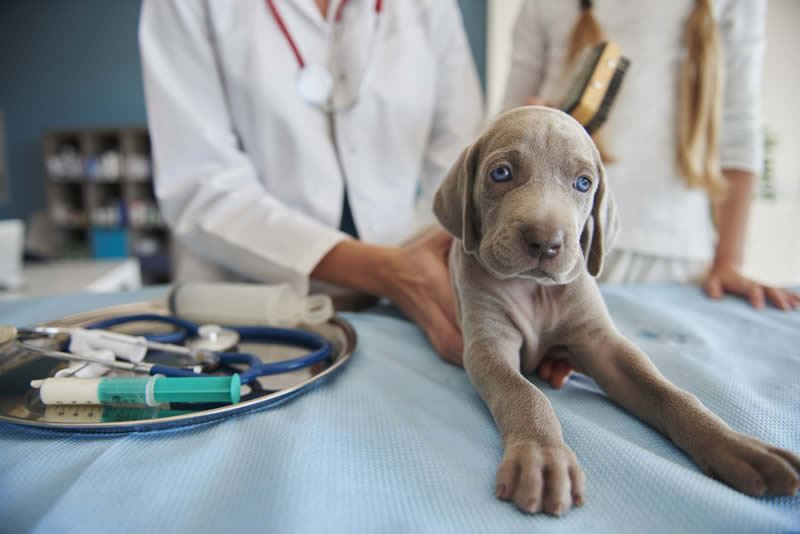
Vaccination schedule for puppies and kittens
Vaccination schedule for puppies and kittens Vaccinations are crucial to protect pets against serious diseases, some of which can be transferred to humans. And when it comes to vaccinating your pets against these diseases, it’s a case of the sooner the better!...